After posting “Part 1 of the Series” I realized I omitted something important: the check-in process at the hospital!
Maua Methodist Hospital (MMH) does not deny entrance to anyone who comes through those gates. Patients enter,are greeted at reception, and then directed appropriately.

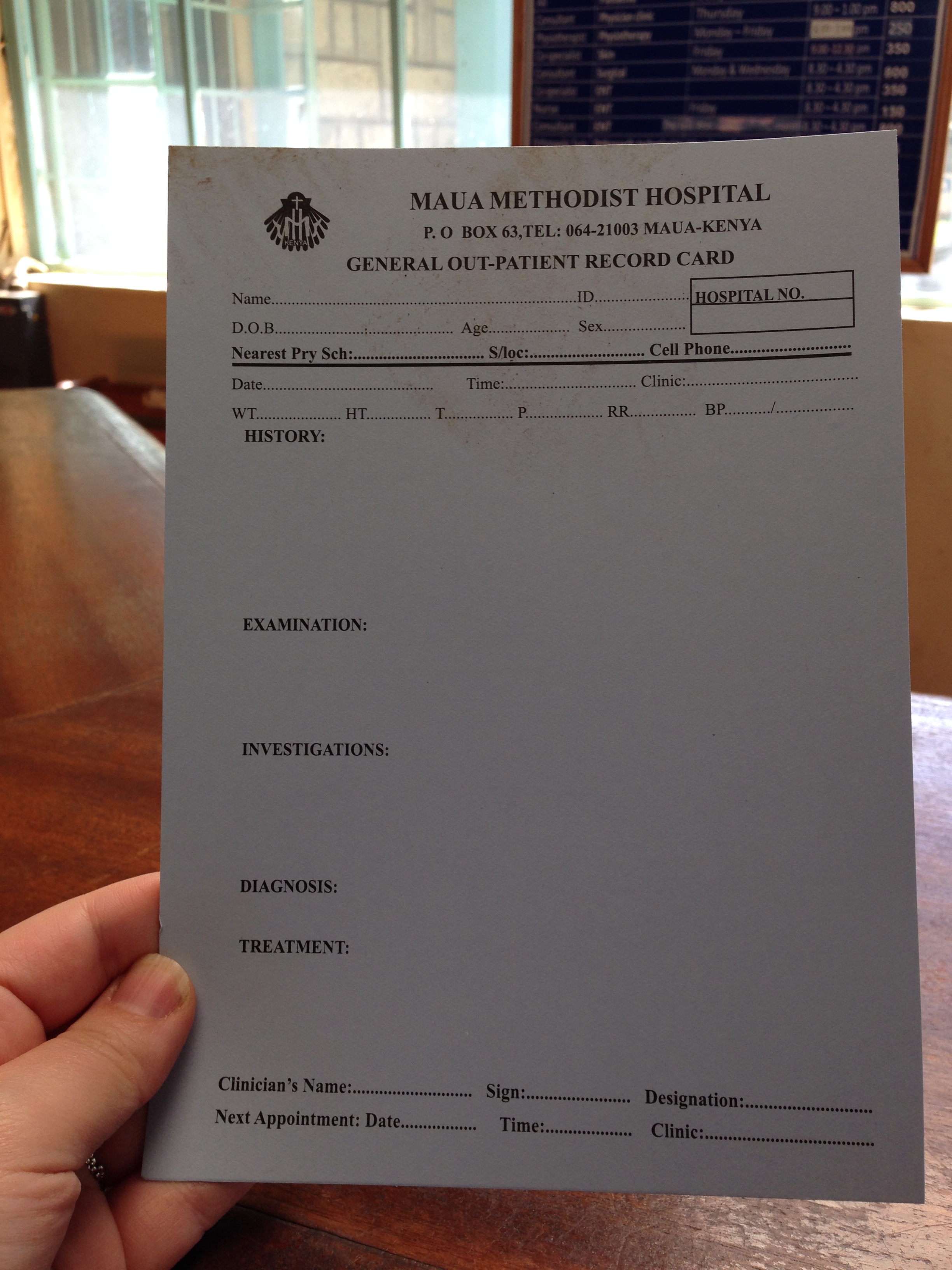
There is a large sign detailing hours and costs for services. Each patient fills out a form and is responsible for keeping it after they receive the services. MMH does not have a way to keep computer files on all the patients so they rely on the patients themselves to keep their records and bring them back each time they use the services. We asked Sue what happens if someone loses their records. She said, “They fill out a new form and start again”.
Of note: the two woman at the front desk during the day were also named “Sue and Susan” so we got the obligatory Tri-Sue picture.

Now back to the tour…

As we were walking through the hospital grounds we came across some youth who were being treated or waiting to be released. They were milled about on one of the lawns.

We always ask if it is alright to take pictures of the people featured in the photograph. Rarely did we get a “no”. It felt awkward at times. I didn’t want to be looking at people as if they were in a museum and we were the ones on the outside judging or gawking. On the other hand, to me- I want to visualize things long after I experience them. These youth were normal youth. A bit of attitude, laughter and conversation, and enjoyment of the rays. This would be common at any hospital where there was youth as patients. I myself spent about six weeks in a hospital when I was twelve years old. We’d do the same thing- though there were no visitors taking our pictures.
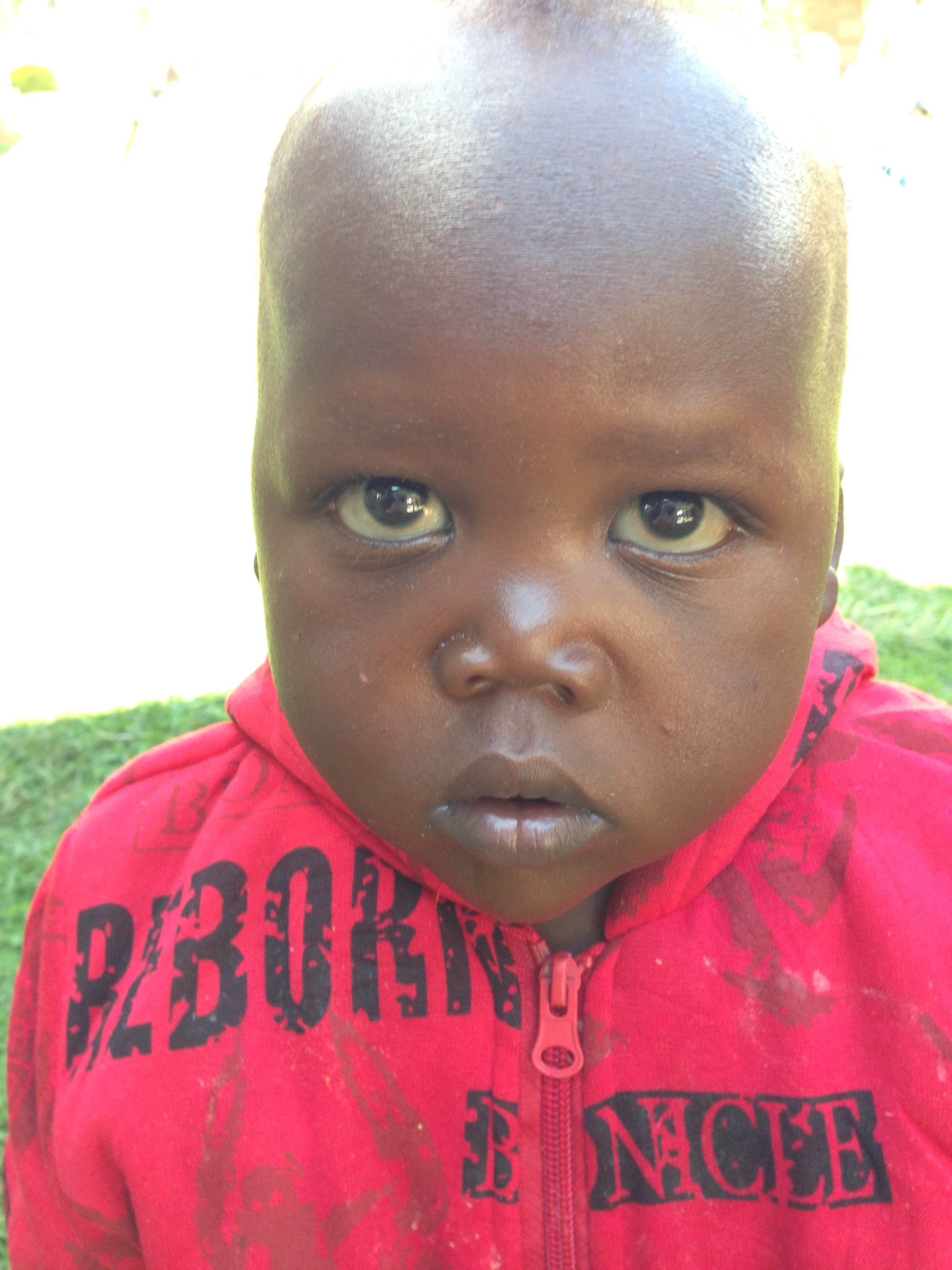
One little boy who was with one of the youth came up to me with sheer curiosity and bewilderment. I asked the guardian or the person he was with if I could take a picture. I received the “nod”. The little boy was receiving treatment- for what I have no idea. He never gave a smile. He just stared at me as I talked to him and took his picture. The stories behind his eyes were deafening. This is a boy who had experienced much in his short few years.
One interesting item Sue told us is that morticians are considered pariahs due to social culture- even within the hospital community. They only work at night and staff and community members do not talk to them. The gate to get to the mortician area is locked. Their work is considered a dangerous job as is working in the laundry. Both morticians and laundry attendants touch things that diseased people touched. There is great superstition surrounding the diseased.

Sue told us a story that struck me hard as we stood outside the pathway to the mortician’s area. She said that while my dear lovable Uncle Bill was visiting them, he and his group made a point to go visit the mortician’s area. She said when he visited them, they were so grateful for the kindness that Uncle Bill showed him by visiting and acknowledging their existence.
I asked my Uncle Bill about this when I returned home since the story was one I remembered. He said that when he visited in 2008, the morticians “seemed both pleased and shocked that someone would come down” to their area. The Kenyan tradition surrounding hand shaking includes the habit that if someone thinks their hands are too dirty or wet to shake they will offer the backs of their hands or their arms (we also saw some fist bumps while we were there). Uncle Bill said he didn’t know that the Morticians thought their hands were dirty and just thought that they were too embarrassed to shake hands. So Uncle Bill grabbed their palms and shook them anyway. Truly an act of kindness and understanding for people who are normally considered outcasts.
I know this is gruesome but feel I need to note that medical waste and dealing with bodies can be an issue at the hospital. Unmarried women and children cannot be buried on family land. This is a tradition that people in the community are trying to change. In the meantime, sometimes those who cannot be buried on family land have nowhere for their bodies to go once they pass away.

Currently the hospital has two vaults. Families of patients who pass away must pay to get their relative’s body. If they don’t pay, they must be taken care of on site. People are laid in the vault and chemicals poured on the bodies. Currently there is one vault that is full and another that is currently being filled.
A gentleman in the States has donated a medical waste incinerator to the hospital so that hospital waste can be handled appropriately. It’s funny, I have never thought of these things- even when I was visiting a patient or was a patient in the hospital. There are things we take for granted (or at least that I have taken for granted). But these aren’t entitlements- rather, they are provided to us if there are enough resources (and in the States, that means medical fees and insurance claims).
Some of the moments on the tour of the hospital were very sad- such as hearing about the mortician area or seeing the little boy. Others were joyous, such as seeing the newborns or visiting people excited to visit and share their stories. I suppose, this is just like any hospital.
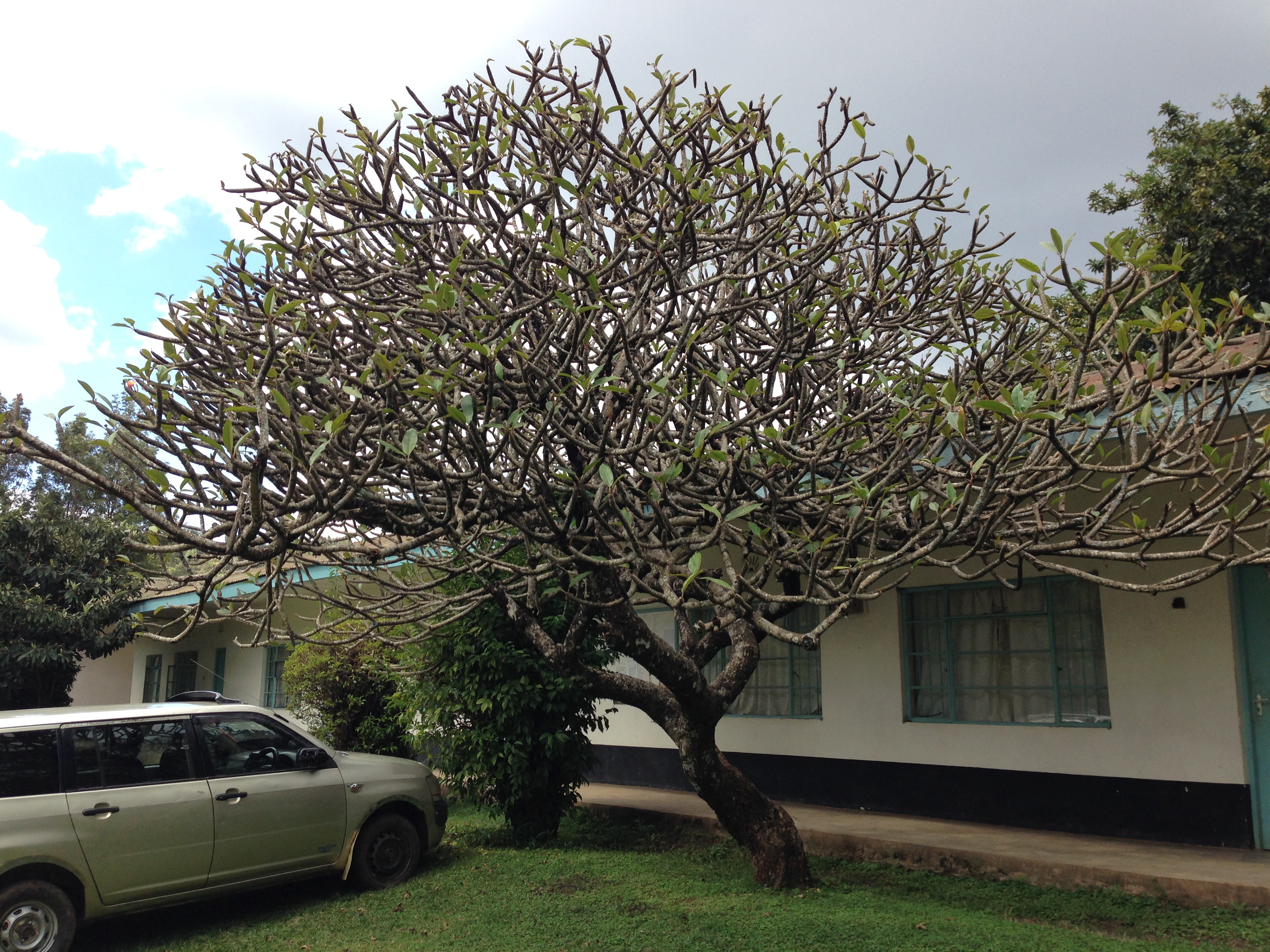
Maua Methodist is doing GOOD work and helping many. Although some of the stories are hard to understand or fathom, I’m glad there is an outlet for healing within the walls of MMH.
How to Give: http://www.umcmission.org/Give-to-Mission/Search-for-Projects/Projects/09613A
 9a Clock